| |
Working Groups
The CAMDTP is responsible for coordinating participating departments to effectively carry out its designated functions, namely the prevention and combat against human trafficking. Various working groups have been established so as to execute related tasks in different fields. Such working groups are:
1. Working Group for Prevention and Promotion
Group leader: Representative from DSAJ
Members: Representatives from DSAL, CPSP, PJ, SS and IAS
Advisor in attendance: Representative from GSS
The Working Group for Prevention and Promotion carries out various activities to disseminate information on combating human trafficking. Its scope includes providing periodic training and thematic lectures to targeted groups (such as law‑enforcement personnel, women, students, and non‑resident workers). The Group also uses various media (including newspapers, radio and television programs, and the Internet) to raise public awareness of prevention and anti‑trafficking measures; produces multilingual publicity materials and short videos to enhance outreach; conducts community publicity on victim identification and protection; and duly reviews and promotes legislative amendments related to human trafficking offenses. In collaboration with other working‑group members, the Group evaluates completed work, compiles statistics, and prepares and follows up promotional plans.
2. Working Group for Victim Protection
Group leader: Representative from IAS
Members: Representatives from CPSP, PJ and SS
Advisor in attendance: Representative from GSS
The Working Group for Victim Protection is primarily responsible for providing appropriate assistance to victims, including accommodation, financial aid, personal counseling, medical services, translation and interpretation services, legal advice, and assistance with return to their place of origin. In particular, it provides family-style shelter services for underage victims, offering basic living needs and personal counseling. The Group assesses the quality of related services for continuous improvement, and maintains close cooperation with NGOs and international organizations to ensure appropriate support for victims. It organizes training for service staff to enhance service quality. The Group also compiles, analyzes and reports on victim case data, and makes recommendations to the CAMDTP on optimizing protection policies and measures.
3. Working Group for Investigation Follow-up
Group leader: Representative from SPU
Members: Representatives from MP, SA, CPSP and PJ
Advisor in attendance: Representative from GSS
The Working Group for Investigation Follow-up is responsible for collecting, compiling and analyzing case data; it continually reviews the work of law enforcement agencies in combating human trafficking and provides recommendations for improvement. This enables the competent authorities to adjust strategies and undertake corresponding operational deployments in a timely manner according to varying needs, effectively disrupting and prosecuting the organizers or criminal syndicates behind trafficking and thereby deterring human trafficking.
In addition, the Group is responsible for providing guidance and recommendations, as appropriate, to the competent authorities to assist frontline personnel in identifying and communicating with victims, and for coordinating the deployment of personnel from the competent authorities to participate in training on combating human trafficking.
4. Working Group for Prevention of Forced Labor
Group leader: Representative from DSAL
Members: Representatives from MP, SA, CPSP and PJ
Advisor in attendance: Representative from GSS
In order to effectively prevent and combat forced labor, the Working Group for Prevention of Forced Labor promotes initiatives by relevant departments in areas such as victim identification, training, and prevention. The Group’s work focuses primarily on outreach and prevention. It aims to enhance the legal awareness and sense of fairness and protection among employers, employees and employment‑agency personnel, thereby safeguarding the legitimate rights and interests of both employers and employees and preventing human trafficking for the purpose of labor exploitation. For example, by co-organizing targeted seminars with other departments to deepen non-resident workers’ and employment agencies’ understanding of the “Labor Relations Law”, the “Law on Employment of Non-Resident Workers”, and the “Combat the Crime of Trafficking in Persons”. In addition, the Group must compile, analyze, summarize forced‑labor cases, and submit recommendations to the CAMDTP to help optimize relevant policies and measures.
5. Working Group for Prevention of Trafficking of Human Organs
Group leader: Representative from SS
Members: Representatives from SA, CPSP and PJ
Advisor in attendance: Representative from GSS
The Working Group for Prevention of Trafficking of Human Organs must align with and closely follow the Macao SAR Government’s policy-making concerning the donation, extraction, and transplantation of human organs. The Group also provides professional opinions on formulating or amending laws and regulations to combat human trafficking, and it makes timely recommendations to the CAMDTP as appropriate, in order to safeguard the integrity of the human organ transplantation system and curb unlawful acts. In addition, it conducts studies on the activities or phenomena of illegal trafficking of human organs and makes recommendations to the competent authorities on promotion and outreach efforts related to preventing organ trafficking.
6. Working Group for Legal Affairs, Treaties and Conventions
Group leader: Representative from MP
Members: Representatives from GSS and SPU
The Working Group for Legal Affairs, Treaties and Conventions is responsible for providing general legal support to the CAMDTP. It follows up on the implementation and compliance status of treaties and conventions related to human trafficking within the Macao SAR, and it draws up commitment timetables for their internal implementation. The Group evaluates, proposes, promotes, and follows up on the creation or revision of legal instruments needed to facilitate the proper implementation of relevant treaties and conventions in Macao. In addition, it follows up on the fulfillment of treaties and conventions relevant to the Macao SAR and carries out external publicity and promotion for related activities.
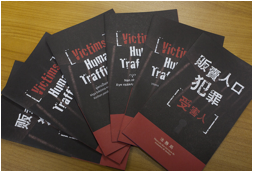
“Victims’ right” pamphlet made by DSAJ
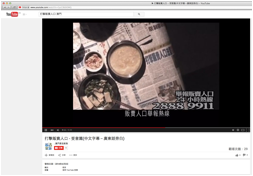
TV commercial made by DSAJ
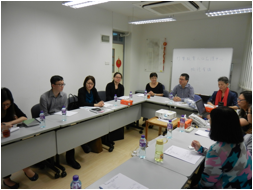
Shelter service assessment meeting between the IAS and IOM
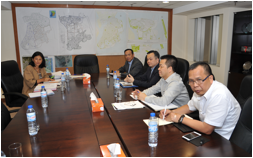
Regular meeting of the Working Group for Investigation and Prosecution
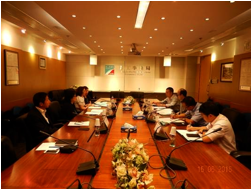
Regular meeting of the Working Group for Prevention of Forced Labour
|
|